Address:
817 East 66th St.
Richfield, MN 55423




How Early Myopia Management Can Prevent Future Eye Problems
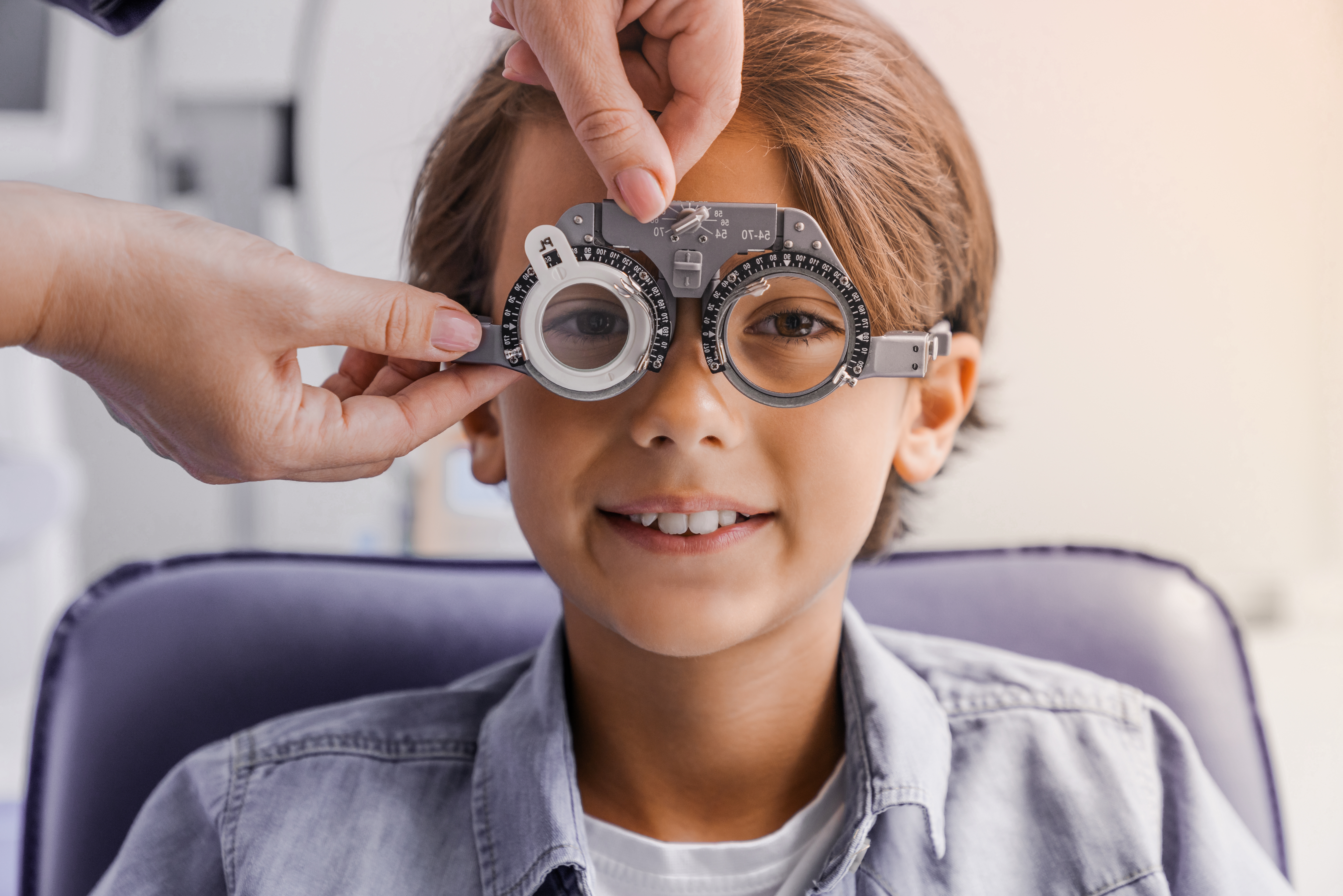
Myopia, or nearsightedness, often starts in childhood and tends to progress as kids grow. While glasses can correct blurry distance vision, they do not slow the underlying progression of myopia. Early myopia management focuses on reducing how quickly the eye continues to lengthen, which can help lower the risk of more serious eye conditions later in life. At Swoop Eye Care, we work with families to identify myopia early and recommend treatment options based on each child’s needs.
Why Early Treatment Matters
When myopia worsens over time, the eye becomes longer than normal. This increase in eye length is associated with a higher risk of future vision and eye health problems. The goal of early myopia management is not just clearer sight today - it is also protecting long-term eye health.
Starting treatment earlier can make a meaningful difference because progression often happens during the school-age years. The sooner myopia is monitored and managed, the better the opportunity to slow that progression.
Future Eye Problems Linked to Myopia
Higher levels of myopia can increase the risk of several serious eye conditions later in life, including retinal detachment, myopic macular degeneration, glaucoma, and cataracts. These conditions can affect vision permanently and may require more advanced treatment as an adult.
By slowing the rate of myopia progression in childhood, it may be possible to reduce the likelihood of these complications developing in the future.
Signs Your Child May Need Myopia Management
A child may not always say their vision is blurry, so parents should watch for subtle signs. Some common clues include:
- Squinting to see far away
- Sitting very close to screens
- Difficulty seeing the board at school
- Complaints of headaches or eye strain
- A prescription that keeps getting stronger
If these signs sound familiar, a pediatric eye exam can help determine whether myopia management should be considered.
Myopia Management Options
Myopia management can include several approaches depending on the child’s age, prescription, and lifestyle. Options may include specialized eyeglasses, soft multifocal contact lenses such as MiSight 1 day lenses, low-dose atropine eye drops, orthokeratology, and healthy visual habits.
Lifestyle changes can also support treatment. More outdoor time, reduced screen time, and holding reading material at a comfortable distance may all help lower the risk of myopia progression.
The Importance of Ongoing Monitoring
Myopia management is not a one-time fix. Children need regular follow-up visits so their eyes can be monitored and treatment can be adjusted if needed. Consistent care helps track prescription changes, evaluate how well treatment is working, and support long-term results. Because every child’s eyes develop differently, personalized care plays an important role in managing nearsightedness effectively.
Help Protect Your Child’s Vision Early
The earlier myopia is addressed, the more opportunities there may be to slow progression and protect eye health for the future. A proactive approach can help children see clearly now while reducing the risk of more serious eye problems later on.
Schedule a pediatric eye exam with Swoop Eye Care to learn more about myopia management options for your child. Contact our office in Richfield, Minnesota, by calling (612) 488-1566 to book an appointment today.

All Eye
Care Services

Keep
In Touch
Powered by